

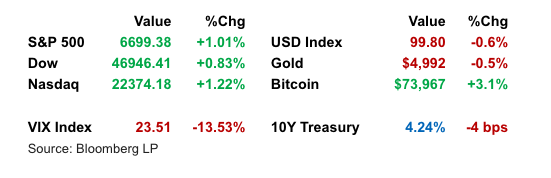
Markets rallied Monday as a sharp pullback in oil prices eased inflation concerns and improved risk sentiment across equities and bonds. Hopes that tanker traffic could gradually resume through the Strait of Hormuz helped push crude lower from earlier highs, which in turn drove Treasury yields down and lifted stocks—particularly technology shares. The move suggested investors are still treating the energy shock as temporary while positioning cautiously ahead of the Federal Reserve’s policy decision later this week.
Key Headlines & Market Movers:
Oil Prices Retreat on Signs of Hormuz Relief: Crude prices dropped sharply after briefly surging above $100 as reports indicated some tankers had begun navigating the Strait of Hormuz and policymakers signaled potential additional strategic reserve releases. The decline eased concerns that the Middle East conflict would trigger a sustained energy shock, supporting equities and bonds as markets recalibrated inflation expectations.
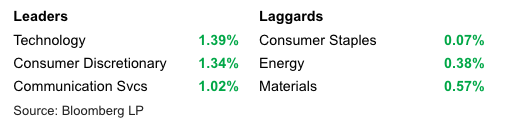
Tech Stocks Lead the Equity Rebound: Large-cap technology names drove the market higher as falling yields boosted growth valuations and renewed attention on the AI investment cycle. Nvidia gained after projecting as much as $1 trillion in AI chip revenue through 2027, while Meta advanced on reports of restructuring efforts tied to rising AI spending, reinforcing the view that AI infrastructure demand remains a dominant long-term theme.
- Fed Decision in Focus as Energy Shock Complicates Outlook: With the Federal Reserve widely expected to hold rates steady this week, attention is shifting toward policymakers’ economic projections and how they frame the balance between energy-driven inflation risks and softening labor data. Strategists expect only modest forecast adjustments, though the median outlook may still indicate at least one rate cut later this year if growth continues to moderate.
S&P 500 Sector Performance
Looking Ahead
The near-term market path will likely hinge on two factors: developments in the Middle East and signals from the Federal Reserve. Investors will watch closely for evidence that oil flows through the Strait of Hormuz are normalizing, which would reinforce the view that the energy spike is temporary. At the same time, the Fed’s messaging on inflation risks versus slowing employment will shape expectations for rate cuts and determine whether the recent rebound in equities can extend.
Disclaimer
Duncan Williams Asset Management is an SEC registered investment adviser. SEC registration does not constitute an endorsement of Duncan Williams Asset Management by the SEC nor does it indicate that Duncan Williams Asset Management has attained a particular level of skill or ability.
This material prepared by Duncan Williams Asset Management is for informational purposes only and is accurate as of the date it was prepared. It is not intended to serve as a substitute for personalized investment advice or as a recommendation or solicitation of any particular security, strategy or investment product. Past performance is not indicative of future results. Investing involves risks, including the risk of loss of principal. Before making any investment decision, investors should consult with their financial advisor, consider their individual financial circumstances, and carefully review all relevant information and risk factors. Duncan Williams Asset Management assumes no responsibility for errors or omissions, nor does it accept liability for any loss arising from reliance on this information.
Advisory services are only offered to clients or prospective clients where Duncan Williams Asset Management and its representatives are properly licensed or exempt from licensure. No advice may be rendered by Duncan Williams Asset Management unless a client service agreement is in place.
This material is not intended to serve as personalized tax, legal and/or investment advice since the availability and effectiveness of any strategy is dependent upon your individual facts and circumstances. Duncan Williams Asset Management is not a legal or accounting firm. Please consult with your legal or tax professional regarding your specific tax situation when determining if any of the mentioned strategies are right for you.

Investment Management Group (IMG)
The Investment Management Group at Duncan Williams Asset Management is led by a team with extensive experience in investment management, financial planning, and client service. President David Scully, CFA®, CFP®, has more than 20 years of experience and is active in Memphis civic organizations. Chief Investment Officer Kyle Gowen, CFA®, CFP®, oversees investment strategy and is engaged with the local community. Investment Analyst Jack Eason, CFA®, provides research and supports charitable initiatives. The IMG team is committed to professional standards, client service, and community involvement. No statement is intended as an offer of investment advice or a guarantee of future results.


Recent Articles


Let's talk about your future.
Connect with a local Duncan Williams Asset Management advisor

5350 Poplar Ave.
Suite 600
Memphis, TN 38119

